
Di Paola Redemagni
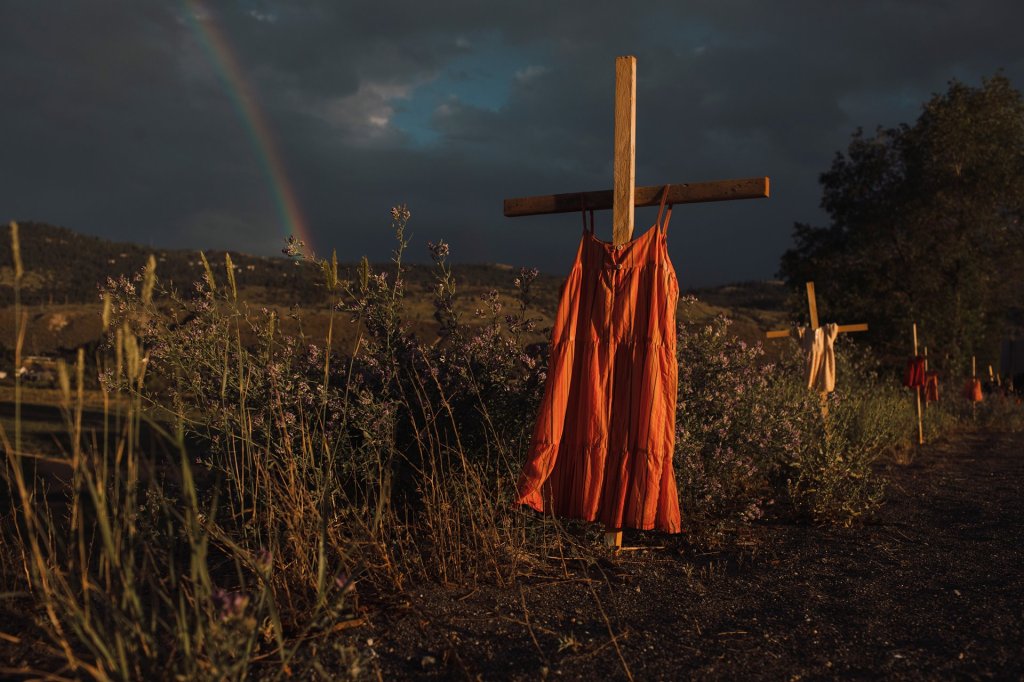
La luce illumina la fila di croci lungo la strada: ognuna di loro indossa un indumento rosso, arancione o giallo.
Nuvole tempestose coprono il cielo. L’unico segno di speranza è dato dall’arcobaleno che – malgrado tutto – congiunge terra e cielo. Mai come in questo caso rappresenta il ponte tra questo e l’altro mondo e un auspicio di riconciliazione…
La foto vincitrice del World Press Photo of the Year 2022 è stata scattata dalla fotografa canadese Amber Bracken, per The New York Times.
Si intitola: Kamloops Residential School e commemora i bambini morti presso la scuola omonima. Fondata nel 1890 nello stato canadese della Columbia Britannica, fu l’istituto più grande del sistema creato nel 19° secolo per sradicare i giovani nativi delle popolazioni locali e assimilarli alla cultura occidentale in prevalenza cristiana, cancellandone cultura e spiritualità.
Bambini e ragazzi venivano allontanati – spesso con la forza – dalle loro case e dai genitori e rinchiusi in istituti dove era vietato comunicare nella loro lingua. I loro nomi venivano sostituiti con altri, europei e cristiani, i capelli tagliati e gli abiti tradizionali sostituiti da uniformi anonime. Molti dei bambini e dei ragazzi furono picchiati, malnutriti, oggetto di abusi fisici e sessuali. Il 42% dei minori moriva prima di aver raggiunto i 16 anni: per limitare i costi, i loro corpi non venivano restituiti alle famiglie.
La Kamloops Indian Residential School venne chiusa nel 1978. Nel maggio 2021, un’indagine condotta attraverso un radar geolocalizzatore in grado di scansionare il terreno ha permesso di individuare ben 215 tombe anonime nella sola Kamloops, confermando così le testimonianze orali. Altre 751 furono ritrovate a Marieval, 182 nell’ex collegio della missione di Sant’Eugenio, vicino a Cranbrook.
Sono più di 150.000 i bambini che in Canada sono passati attraverso il sistema delle scuole residenziali, prima che l’ultima chiudesse nel 1996.
Una Commissione per la verità e la riconciliazione, istituita nel 2009, ha concluso che almeno 4.100 studenti sono morti mentre si trovavano negli istituti, a causa di maltrattamenti, negligenza, incidenti o malattie.
Un sistema aberrante per il quale lo stesso Papa Francesco si è sentito in dovere di chiedere scusa alle popolazioni canadesi durante un incontro tenutosi in Vaticano nel marzo 2022 e che lo ha indotto a un “pellegrinaggio penitenziale” di cinque giorni in Canada alla fine del mese di luglio dello stesso anno.
L’esposizione di abiti rossi come risposta alla sproporzionata violenza subita dalle donne indigene e quella di magliette arancioni per condannare le sofferenze causate dal sistema scolastico residenziale in Canada ai bambini sono iniziate nel 2011 a Winnipeg, Manitoba. Atto di protesta e di accusa.
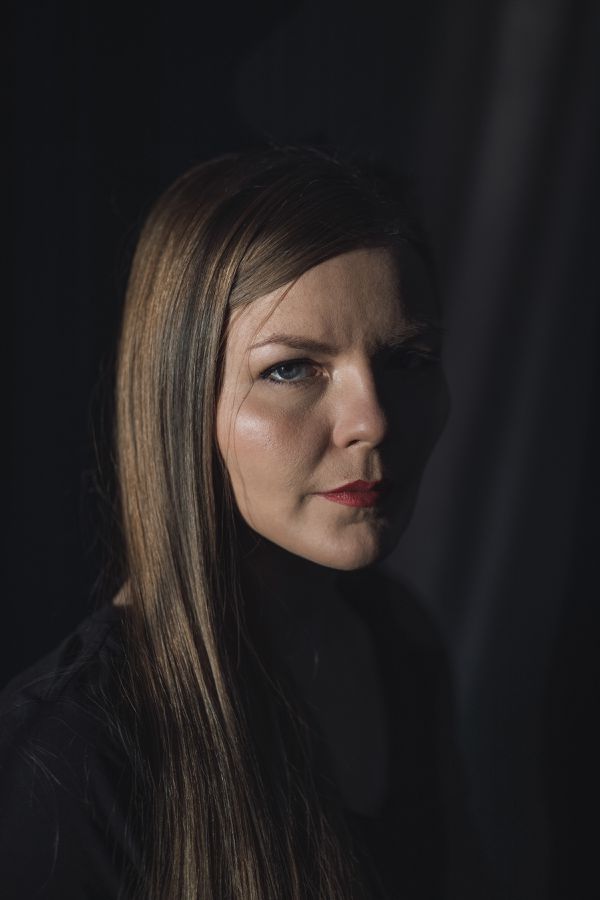
In 67 anni di esistenza del premio, Amber Bracken è la quinta donna a vincere il World Press Photo of the Year. Il suo lavoro più recente si concentra sul trauma causato sui giovani delle popolazioni locali – che non le hanno frequentate – dall’eredità dovuta al sistema delle scuole residenziali in Canada e sulla lotta per i diritti degli indigeni sfollati dai loro territori storici.
(Dear friends speaking English, this is an home-made blog. I have no money to pay a professional translator, so I write English post by myself and – as you can see – I can’t write English language very well. So you can find a lot of mistakes in the articles: I beg your pardon. My English language level is: F(unny)! Will you pardon me?)
The light illuminates the crosses along the road: each of them wearing a red, orange or yellow garment.
Stormy clouds cover the sky. The rainbow is the only sign of hope that joins earth and sky, in spite of everything. Never as in this case it represents the bridge between this and the other world and a wish for reconciliation…
This is the winner photo for World Press Photo of the Year 2022 and it was taken by Canadian photographer Amber Bracken, for The New York Times.
It is titled “Kamloops Residential School” and commemorates the children who died at the school of the same name.
It was founded in 1890 in the British Columbia Canadian state and it was the largest institution in the system created in the 19th century to uproot native youth from local populations and assimilate them into predominantly Christian Western culture
Young people were removed – often by force – from their homes and parents and locked up in institutions where it was forbidden to communicate in their own language. Their names were replaced with others, European and Christian, and their traditional clothes replaced by anonymous uniforms. Many of the children and youth were physically and sexually abused.
Kamloops Indian Residential School was closed in 1978. In May 2021, a survey identified as many as 215 anonymous graves in Kamloops alone, confirming oral histories.
More than 150,000 children in Canada stay in the residential schools before the last one closed in 1996. A Truth and Reconciliation Commission, established in 2009, concluded that at least 4,100 students died while they stay in institutions, due to mistreatment, neglect, accidents or illness.
An aberrant system for which Pope Francis himself felt compelled to apologize to the people of Canada in March 2022.In the 67 years of the award’s existence, Amber Bracken is the fifth woman to win World Press Photo of the Year. She is a freelance photojournalist based in Edmonton, Canada, who photographs primarily across western North America.
Her work explores intersections of race, environment, culture and decolonization, specializing in invested relationship based and historically contextualized storytelling that centers people in their own stories. Recent work has focused on the ongoing legacy of intergenerational trauma from Residential “Schools” and land rights fights, the overrepresentation of un-housed Indigenous people displaced in their historic territories.
 Storie di cimiteri