
Di Paola Redemagni
Presso le popolazioni antiche il fuoco è sacro. Rischiara le tenebre, cuoce i cibi, riscalda, allontana gli animali migliorando di molto le possibilità di sopravvivenza.
Presso gli antichi Romani, le sacerdotesse della dea Vesta mantenevano acceso nel tempio un fuoco perpetuo, la cui estinzione avrebbe attirato sventure sullo Stato. Come patrona del focolare dello Stato, Vesta veniva invocata in caso di calamità e si attribuiva grande efficacia alle preghiere delle sue sacerdotesse.
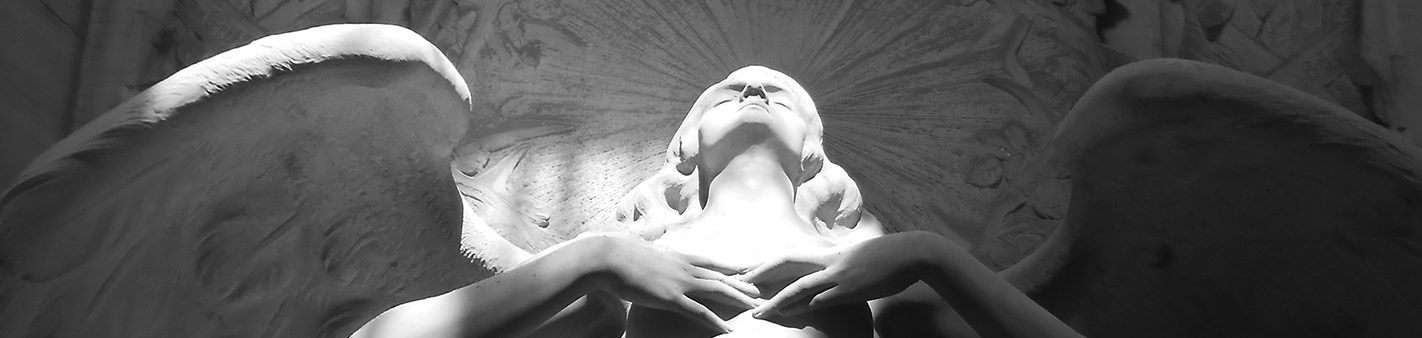
Al fuoco, alla luce, sono associati da sempre significati simbolici positivi, collegati alla vita e alla protezione. Proprio per rischiarare il cammino del defunto nell’aldilà e proteggere l’anima dagli spiriti malvagi, gli antichi romani ponevano nella sepoltura, insieme agli altri oggetti del corredo, anche una lucerna.
Quello della lucerna è quindi un simbolo molto antico, che attraverso i secoli giunge fino a tempi recenti e che può essere declinato sia in senso laico che religioso.
Nella Bibbia, infatti, la luce è il principio della creazione (Gen 1-2) e attributo divino per eccellenza.
Quanto alla lucerna, ha un ruolo privilegiato nella parabola narrata da Matteo nel suo Vangelo (Mt 25, 1-13), in cui dieci fanciulle vengono incaricate di attendere lo sposo, il cui arrivo è previsto nella notte. Cinque di loro prendono, insieme alle lampade, anche l’olio per alimentarle, facendosi trovare pronte all’arrivo dell’ospite. Le altre, che non hanno provveduto, sono costrette invece ad allontanarsi per acquistare l’olio necessario al sostentamento della fiamma e vengono quindi escluse dai festeggiamenti.
“Vegliate dunque, perché non sapete né il giorno né l’ora”, conclude l’evangelista. Un monito a mantenere costanti nella propria vita gli ideali cristiani ma insieme un messaggio di speranza per quanti credono.
(Dear friends speaking english, this is an home-made blog. I have no money to pay a professional translator, so I write english post by myself and – as you can see – I can’t write English language very well. So you can find a lot of mistake in the articoles: I beg your pardon. My English language level is: F(unny)! Will you pardon me?)
During the Ancient Age the fire is holy. A fire makes possible to cook food, to illuminate the night, to warm up, to throw wild beasts out. In the Vesta Temple in the Ancient Rome, some priestesses keep the holy fire on perpetually. It was essential: many misfortunes would have struck the State if the holy fire had gone out.
In every time, in every place, fire and light are positive symbols, connected with life and protection. Ancient Romans put in the grave some objects to help the dead afterlife: they put an oil lamp too, to light up his path and to protect the dead from bad spirits in the Next world. So the oil lamp is a long standing symbol and you can see it in the most ancient cemeteries and in modern ones. It have a religious or a laical meaning.
In the Holy Bible the light causes the creation of the word (Gen. 1-2) and the light is the main characteristic of God.
Also, in the Matthew’s Gospel you can read a parable about ten wedding attendants. They took their lamps and went to meet the bridegroom. Five of them took flasks of oil as well as their lamps; the other took no oil with them. When the bridegroom came at midnight, the five women who had no oil had gone off to buy it. Those who were ready went in with the bridegroom to the wedding hall and the door was closed. The other attendants arrived later and they weren’t admitted at the party. “So stay awake, because you don’t know either the day or the hour” says the Evangelist. It’s a warning to be good Christians and a message full of hope for religious persons.