
Di Paola Redemagni
Avete presente quel suono che vi prende allo stomaco e vi squaglia le ginocchia e senza cui non esisterebbero il jazz e il blues come li conosciamo? Compagno inseparabile di film romantici e notti appassionate?
Stiamo parlando del sassofono, naturalmente. Ma se anche voi, come me, pensate che sia stato inventato negli Stati del profondo sud in America, fra campi e cotone, o magari a New York, fra club e proibizionismo, sappiate che vi state sbagliando.

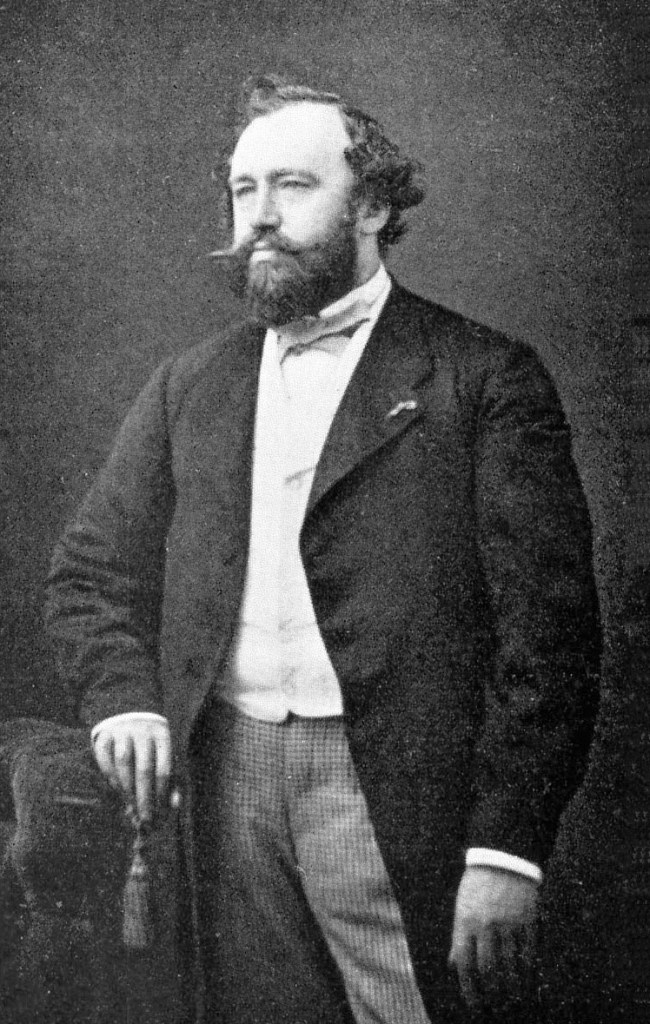
Perché il sax nasce a Parigi, ideato da un belga trapiantato nella capitale francese: Adolphe Sax (Dinant, 6 novembre 1814 – Parigi, 4 febbraio 1894).
Sax è figlio d’arte: entrambi i suoi genitori, infatti, per mestiere costruiscono strumenti musicali.
Ancora giovanissimo, Sax segue le loro orme; nel frattempo studia al conservatorio di Bruxelles e a 24 anni brevetta un nuovo tipo di clarinetto basso.
Nel 1841 si trasferisce a Parigi. Qui, nel tentativo di migliorare il timbro del clarinetto basso, innesta una lamella in legno – chiamata ancia – su uno strumento in ottone chiamato oficleide allora molto usato nelle opere liriche.
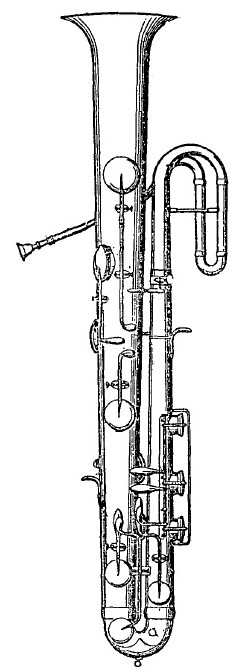
Vuole realizzare uno strumento a fiato paragonabile agli strumenti a corda, ma caratterizzato da maggiore forza e intensità. La sonorità dei fiati allora disponibili, infatti, non lo soddisfa: la considera troppo morbida o troppo dura.
Il 28 giugno 1846 brevetta così il sassofono – cosa di cui gli saremo eternamente grati – e ne inventa un’intera famiglia: il sax soprano, alto, tenore, baritono, basso, acuto e contrabbasso.
Undici anni più tardi, nel 1857, diventa il primo titolare della nuova cattedra di sassofono al conservatorio di Parigi.
Il sassofono conosce solo un modesto successo nel corso della vita del suo ideatore ma diventa famosissimo dopo la sua morte: strumento insostituibile per la musica jazz, pop, rock, blues.
Personalmente, ringrazierò a vita il signor Sax per aver reso possibile l’assolo in Careless whisper di George Michael.
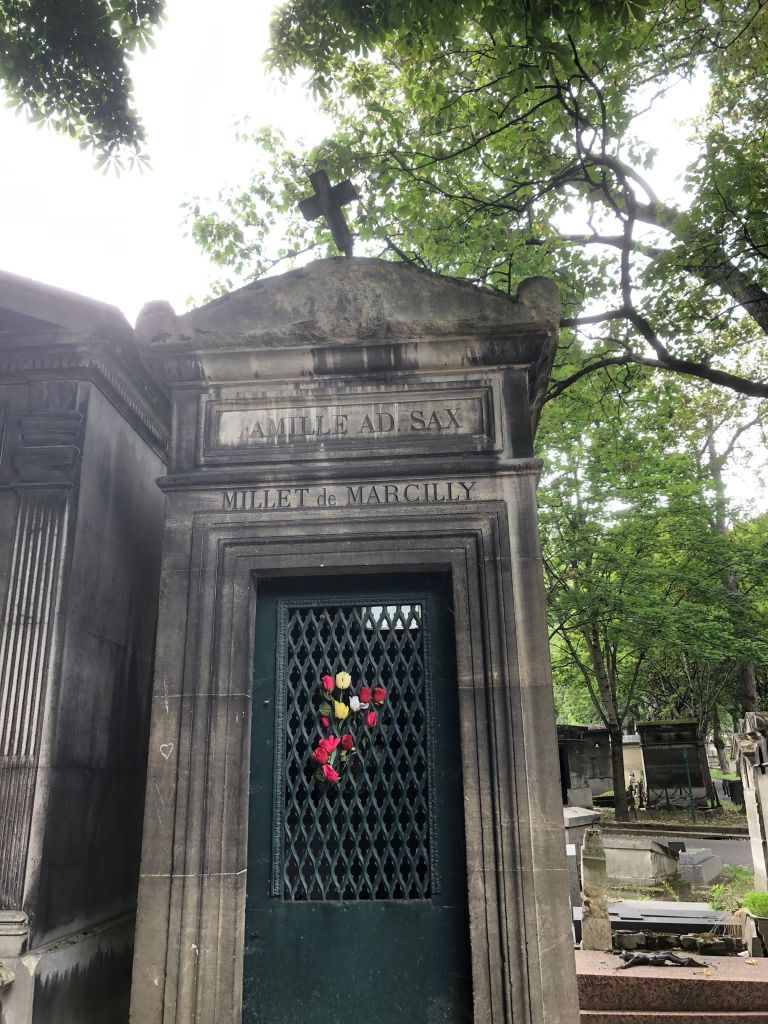
Potete trovare Adolphe Sax a Parigi, al Cimitero di Montmartre (leggi anche: Cimitero di Montmartre – Parigi) nella semplice cappella di famiglia.
(Dear friends speaking English, this is an home-made blog. I have no money to pay a professional translator, so I write English post by myself and – as you can see – I can’t write English language very well. So you can find a lot of mistakes in the articles: I beg your pardon. My English language level is: F(unny)! Will you pardon me?)
If you, like me, think that the saxophone was invented in the Deep South states in America, among fields and cotton, or perhaps in New York, among clubs and prohibition, know that you are wrong.
The saxophone was born in Paris, invented by a Belgian transplanted to the French capital: Adolphe Sax (Dinant, November 6, 1814 – Paris, February 4, 1894).
Sax is a child of art: both his parents, in fact, make musical instruments by trade.
Still very young, Sax follows in their footsteps; meanwhile, he studies at the Brussels Conservatory and patents a new type of bass clarinet at age 24.
In 1841 he moved to Paris. There, in an effort to improve the timbre of the bass clarinet, he grafted a wooden reed – called a reed – onto a brass instrument called an ophicleide then widely used in opera.
In 1857, Adolphe Sax became the first holder of the new chair of saxophone at the Paris Conservatory.
During its creator’s lifetime, the saxophone knew only modest success but it became extremely famous after his death and today it is an irreplaceable instrument for jazz, pop, rock, blues music.
You can find Adolphe Sax in Paris at Montmartre Cemetery, in the simple family chapel.
 Storie di cimiteri