
Di Paola Redemagni
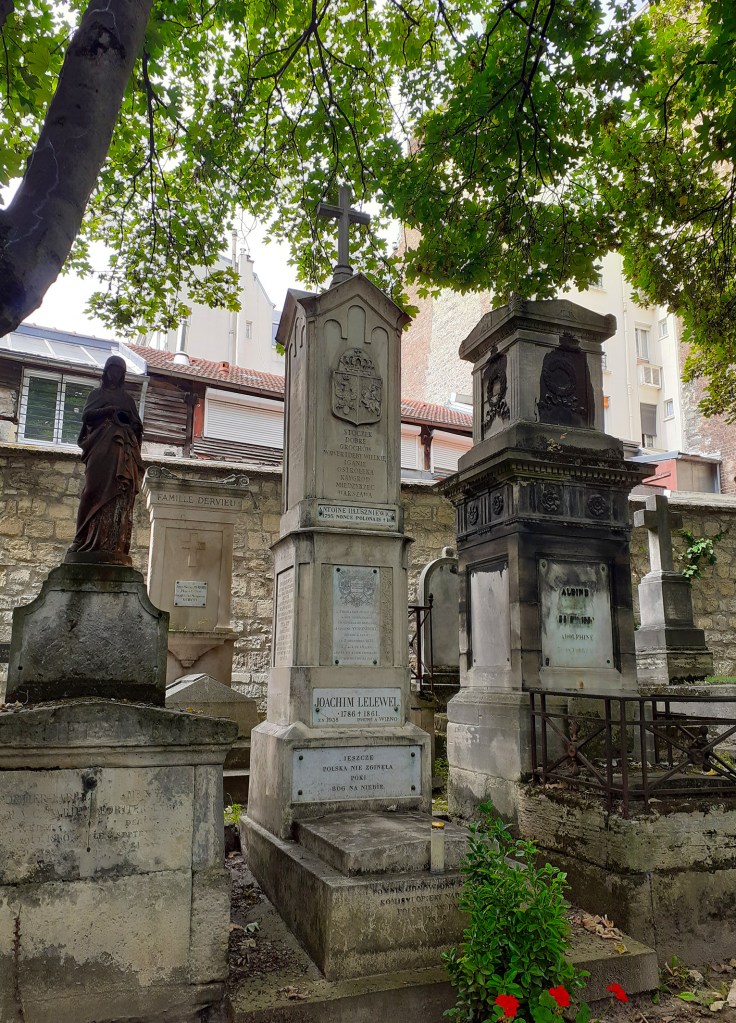
Incastonato fra i palazzi del 18° arrondissement – con buona pace dell’Editto di S.Cloud e delle disposizioni in materia di distanziamento fra abitazioni e cimiteri – il Cimitero di Montmartre sorge ai piedi della collina omonima, resa famosa dalla basilica del Sacre Coeur e dal quartiere frequentato e dipinto da pittori, poeti, scrittori.
Insieme con quelli del Pére-Lachaise (Cimitero del Pére-Lachaise – Parigi) e di Montparnasse, costituisce la triade dei cimiteri parigini storici, sorti nel corso dell’Ottocento a seguito della soppressione dei Santi Innocenti, che dal medioevo costituiva il più esteso e frequentato dei camposanti parigini (Al cimitero dei Santi Innocenti, Parigi).

L’ingresso principale si trova in avenue Rachel n.20.
In origine qui si aprivano le cave di gesso che servivano la città: durante la Rivoluzione Francese furono destinate ad accogliere i corpi delle Guardie svizzere intervenute per impedire l’arresto della famiglia reale, poi quelli delle vittime della stessa Rivoluzione. Riprogettato alla fine dell’Ottocento insieme a tutto il quartiere, apre nella nuova veste il 1° gennaio 1895.
Pur essendo il più piccolo fra i cimiteri parigini, si estende per oltre 10 ettari di terreno, suddivisi in 33 campi separati da viali con una propria denominazione, esattamente come quelli cittadini: Avenue Hector Berlioz, Avenue de la Croix, Chemin des Gardes…
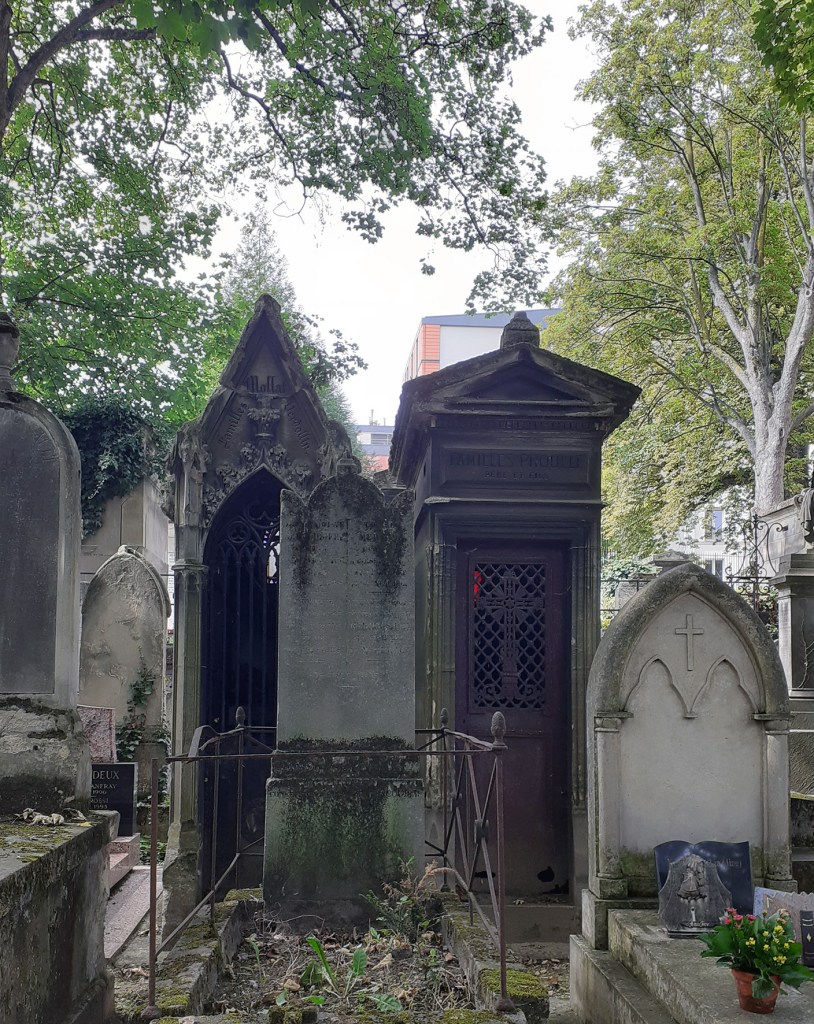
Malgrado ciò riuscire a orientarsi non è facile ed è meglio munirsi di una mappa, messa a disposizione all’ingresso o scaricata dal web.
Campi e sentieri risentono della conformazione del terreno e sono raccordati da salite e scalinate ombreggiate dagli alberi.
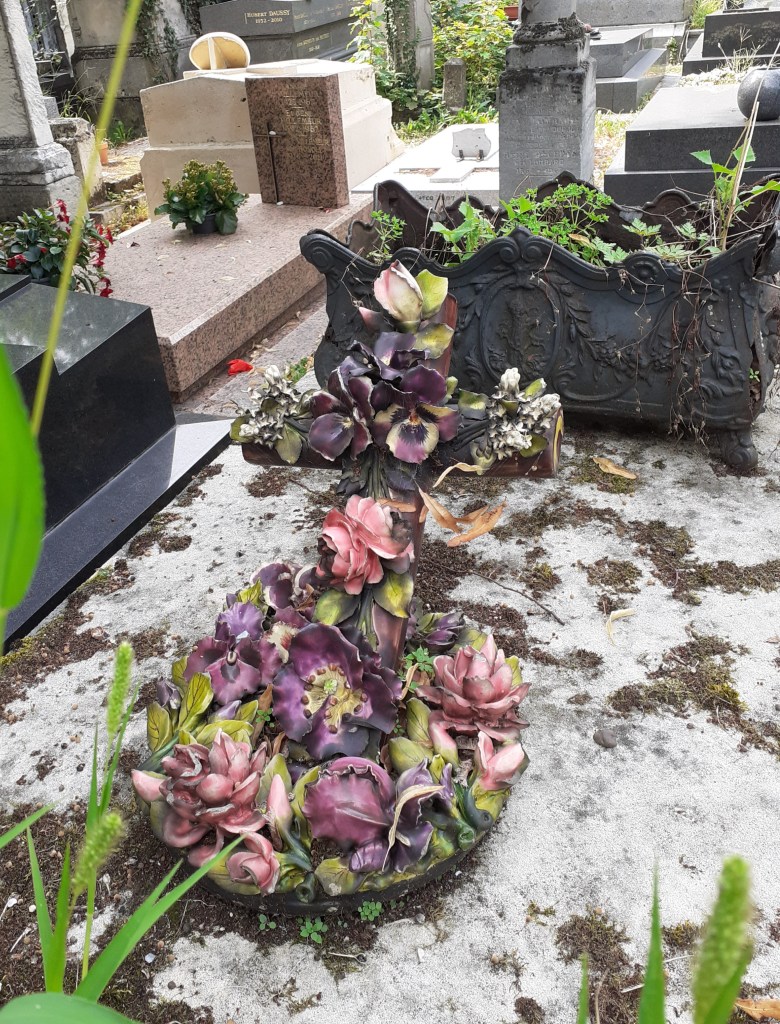
Anche qui, come al Père-Lachaise, il panorama è dominato da piccole cappelle alte e strette declinate in diversi stili architettonici, dalla forma caratteristica e vagamente inquietante, mentre le tombe sono abbellite da corone di fiori in ceramica colorata, come quelle in uso nei sotterranei del Monumentale di Torino (Nei sotterranei di Torino).
L’ospite più conosciuta è Marie Alphonsine Plessis: la bella cortigiana che ispirò la figura de “La Signora delle Camelie” nel romanzo scritto da Alexandre Dumas figlio e quella de “La Traviata” nell’opera di Giuseppe Verdi. Le fanno compagnia, fra gli altri: gli scrittori Emile Zola, Stendhal e Alexandre Dumas figlio, i fisici André-Marie Ampère (quello della corrente elettrica) e Jean Bernard Léon Focault (quello del pendolo), i compositori Hector Berlioz e Jacques Offenbach, i pittori Edgar Degas e Gustave Moreau, il drammaturgo Georges Feydeau, il poeta tedesco Heinrich Heine, il ballerino classico e coreografo Vaslav Nijinsky.
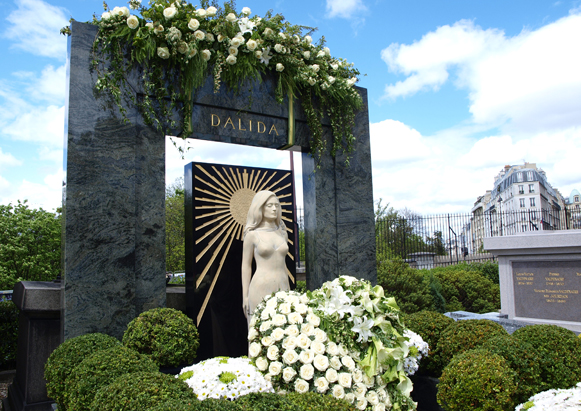
Venendo a tempi più recenti: il regista François Truffaut, esponente di spicco della nouvelle vague francese, e la cantante Dalida, molto amata in vita, che duettò con Luigi Tenco durante la sua ultima partecipazione a Sanremo, al termine della quale il cantautore si suicidò. Dalida vanta una tomba vistosa e assai frequentata.
(Dear friends speaking English, this is an home-made blog. I have no money to pay a professional translator, so I write English post by myself and – as you can see – I can’t write English language very well. So you can find a lot of mistakes in the articles: I beg your pardon. My English language level is: F(unny)! Will you pardon me?)
Montmartre Cemetery stands in the 18th arrondissement of Paris, at the foot of the hill made famous by the Sacre Coeur basilica and the neighborhood frequented and described by painters, poets, and writers.
Together with those of Pére-Lachaise and Montparnasse, it constitutes the triad of historic Parisian cemeteries, which arose during the 19th century following the suppression of the Holy Innocents, which had constituted the most extensive and frequented of Parisian cemeteries since the Middle Ages.
The main entrance is located at avenue Rachel No. 20.
Originally here there were the chalk quarries that served the city: during the French Revolution they were used to house the bodies of the Swiss Guards who intervened to prevent the arrest of the Royal family, then the victims of the same Revolution. Redesigned in the late 19th century, it opened in its new guise on January 1, 1895.
Although it is the smallest among Parisian cemeteries, it covers more than 10 hectares of land, divided into 33 fields separated by avenues with their own designations, just like city ones: Avenue Hector Berlioz, Avenue de la Croix, Chemin des Gardes… Getting your bearings is not easy and it is best to have a map, made available at the entrance or downloaded from the web.
The landscape is dominated by small, tall, narrow chapels in different architectural styles, characteristically shaped and the graves are adorned with colorful ceramic flower crowns.
The best-known guest is Marie Alphonsine Plessis: the beautiful courtesan who inspired the figure of “The Lady of the Camellias” in the novel written by Alexandre Dumas son and that of “La Traviata” in Giuseppe Verdi’s opera. She is joined by, among others: writers Emile Zola, Stendhal and Alexandre Dumas son, physicists André-Marie Ampère (that of the electric current) and Jean Bernard Léon Focault (that of the pendulum), composers Hector Berlioz and Jacques Offenbach, painters Edgar Degas and Gustave Moreau, playwright Georges Feydeau, German poet Heinrich Heine, classical dancer and choreographer Vaslav Nijinsky. Coming to more recent times: filmmaker François Truffaut, a leading exponent of the French nouvelle vague, and singer Dalida, much beloved in her lifetime, who has a conspicuous and much-visited tomb.
 Storie di cimiteri